The Ethics of Photojournalism in Sensitive Situations
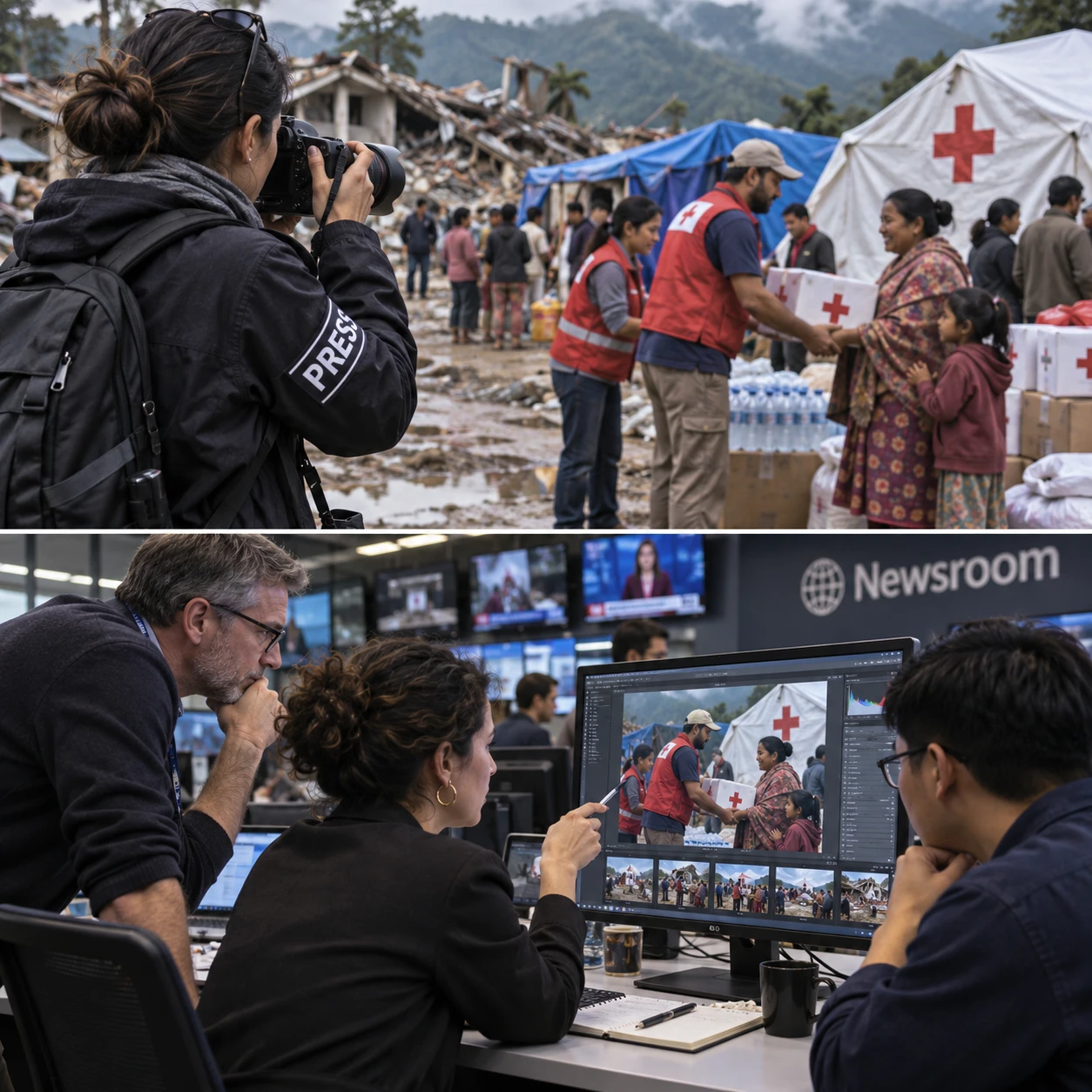
A photograph from a war zone, disaster site, or moment of private grief can make distant events impossible to ignore. It can also expose a person to danger or reduce a complicated life to a single image. The ethics of photojournalism in sensitive situations rests on that tension: documenting what the public needs to understand while protecting the dignity and safety of the people in the frame.
Why sensitive images matter in world affairs
Sensitive images help the public see the human consequences of political decisions, conflict, and disaster. Their value depends on whether they clarify events and serve the public interest, rather than relying on shock alone.
Numbers can describe displacement or casualties, but a carefully reported photograph can show what those figures mean in daily life. Images may draw attention to overlooked communities, document abuses, or preserve evidence of events that powerful actors would prefer to deny. In world affairs coverage, that record can matter long after the news cycle moves on.
Yet photographs also shape perception. A single frame can suggest who appears powerful, helpless, threatening, or deserving of sympathy. Repeated images of suffering may turn vulnerable subjects into symbols and make entire communities seem defined by crisis. A responsible photojournalist considers both the immediate information a picture conveys and the assumptions viewers may bring to it.
Public interest is more specific than public curiosity. An image has public value when it helps people understand an event, its consequences, or an accountability question. A disturbing picture that adds no meaningful information may create attention without understanding. That distinction should guide the photographer’s approach and the newsroom’s editorial judgment.
Consent, dignity, and power imbalances
Informed consent means a person understands, as far as circumstances allow, how and where an image may be used and agrees without undue pressure. In a crisis, that standard can be difficult to meet, so photographers must also consider human dignity, vulnerability, and the power they hold.
A person fleeing violence, receiving medical care, or searching for family may not have the time, safety, or emotional capacity to weigh publication. A camera can also carry authority: subjects may believe they must cooperate, or may not understand that an image could reach a global audience and remain online indefinitely. A nod or lack of objection is not always meaningful consent.
When possible, explain who you are, why you are taking photographs, and the likely audience. Use an interpreter where needed, avoid promises you cannot keep, and give people a real opportunity to decline. If someone cannot consent, ask whether the photograph is essential and whether a less intrusive frame could tell the story.
Dignity does not require making every image comfortable. A truthful photograph may show fear, exhaustion, or loss. The ethical question is whether the person is being represented with care, or used as a visual device. Avoid treating a child, patient, refugee, or bereaved relative as a stand-in for a whole population. Their individual circumstances matter.
Consent also has limits. A subject’s agreement does not automatically make publication safe or fair, especially when the image could identify them to an armed group, expose a source, or invite retaliation. The photographer and editor retain responsibility for foreseeable harm.
Public interest versus privacy and potential harm
Journalists should publish a sensitive image when its contribution to public understanding outweighs credible risks to the people shown. That judgment requires more than asking whether the scene is newsworthy; it also means considering privacy, safety, and the consequences of identification.
Before sharing an image, consider who could be recognized: the subject, relatives, witnesses, or people visible in the background. In conflict coverage, a face, uniform, location marker, or distinctive building may reveal more than intended. In disaster reporting, an image could expose a survivor’s medical condition or identify someone before their family has been notified.
A practical test is to compare the image’s information value with its risk of harm. Ask what the audience learns from this specific frame, not merely from the story in general. Then consider whether a different image, a wider crop, a delayed publication, or obscured identifying details could preserve the reporting value while lowering the risk.
Privacy is not an absolute shield against reporting. Images of public events or official conduct may be important even when those pictured have not agreed to be photographed. But being in a public place does not erase every ethical concern. A close-up of a grieving person, for example, may add little to an account of a disaster while exposing an intimate moment to strangers.
Harm minimization is not a promise that journalism will never upset or disadvantage anyone. It is a discipline of identifying avoidable harm and refusing exposure that serves only shock value. When the likely risk is serious and the public benefit unclear, restraint can be the more defensible editorial choice.
Photographing conflict, disaster, and grief
In conflict and disaster coverage, photojournalists should document consequential events while avoiding unnecessary intrusion and danger. The right decision depends on the scene, the subject’s vulnerability, the photograph’s purpose, and the risks of making it.
Safety comes first. A photograph is not worth putting a subject, colleague, or source in immediate danger. Do not reveal the location of people hiding from an armed force, a safe route, or details that could help identify a witness. The photographer should also avoid obstructing medical teams, rescue workers, or people trying to escape.
At scenes of death or serious injury, consider whether a face or graphic detail is necessary to establish what happened. Evidence of an atrocity may be vital to accountability, but publishing every identifiable detail can compound trauma for families and survivors. A frame that communicates scale, setting, or aftermath may sometimes tell the story without displaying a person’s most vulnerable moment.
Grief calls for particular care. Someone in acute distress may be unable to make a considered decision, even if they do not object to the camera. Photographers can pause, step back, or return later. If they continue, they should be prepared to explain the reporting purpose and accept a refusal without argument.
Distance can be an ethical choice. It may protect a subject’s privacy, but it can also weaken a photograph’s ability to show what authorities or audiences need to confront. The aim is not to avoid difficult images; it is to make the level of intrusion proportionate to the story’s importance.
Context, captions, and editorial choices
Accurate captions and careful editing help viewers understand what an image shows, where and when it was made, and what remains uncertain. Cropping, sequencing, and publication context can change meaning as sharply as the photograph itself.
A caption should state verified details and distinguish observation from inference. Identify people only when doing so is safe and appropriate. If a person’s identity is unknown, say so rather than guessing. If the date, location, or circumstances are uncertain, explain that uncertainty; do not let a confident caption turn an unverified image into apparent fact.
Editors should review the image’s provenance, caption, and likely impact together. A photograph of a child in a crowded shelter, for instance, may seem anonymous to a distant audience but be recognizable to people who could put the child at risk. In that case, withholding a name or changing the crop may be more responsible than publishing every available detail.
Editing should preserve the integrity of the scene. Cropping can remove a crucial detail or imply that an event happened in a different setting. A misleading sequence can suggest cause and effect that the images do not establish. Digital alteration that changes the substance of documentary content undermines trust; any permitted adjustments should follow the outlet’s standards and be disclosed when material.
Editors also decide whether to publish, where to place an image, and what alternatives to provide. A graphic photograph on a homepage has a different impact from the same image inside a clearly labeled report. Warnings, restrained display, and less graphic options can help audiences make informed choices without erasing the story.
A practical ethical checklist for photojournalists
Before taking, sharing, or publishing a sensitive image, pause to test its purpose, consent, risk, and context. A short review cannot resolve every dilemma, but it can expose weak justifications before an image causes avoidable harm.
- Purpose: What does this particular photograph help the public understand? Is that contribution substantial, or is the image mainly shocking?
- Consent: Can the subject understand the likely use and freely refuse? If not, why is photographing them still justified?
- Dignity: Does the frame show a person in a way that respects their humanity, or reduce them to a symbol of suffering?
- Safety and privacy: Could a face, caption, location, background detail, or publication time expose the subject or their family to danger?
- Alternatives: Could a different frame, wider crop, anonymization, delayed release, or written description convey the essential facts with less risk?
- Context: Are the caption and surrounding report accurate, verified, and clear about what is known or uncertain?
- Review: Has an editor considered both the image’s public value and its foreseeable consequences?
These questions are a decision aid, not a universal rulebook. A compelling public-interest case may justify photographing without consent, especially when documenting public conduct or an event of major significance. But the burden is to explain why the image matters and why a less harmful approach would not suffice.
Strong photojournalism makes consequential events visible without treating the people caught in them as raw material. That responsibility belongs to the person behind the camera and to everyone who captions, edits, and publishes the image.